Jaylon Industries × CBH Group

Every cover,
accounted for.

A concept for tracking every Jaylon grain cover across its whole life: from the factory floor, onto your stacks, through maintenance and on to recycling. Built around what CBH needs to see.

Concept stage · shaped with CBH 4 hardware options under test Australian data residency
The problem today

Once a cover leaves the factory, its history lives on paper and in people's heads.

Jaylon covers going onto a stack. From here, nobody can easily say how long each one has been out there.
?

Where is a given cover right now?Which site, which stack, and who had it last.

?

How long has it been on stack?And how long did it sit in storage before that.

?

How many covers are at each site?Without ringing around or counting by hand.

?

Which covers are due for service, or ready to retire?Before they fail on a stack.

At Jaylon today, dispatch runs on two paper forms cross-checked by hand, photocopied three times, with photos in a camera roll as the only evidence if a cover is disputed.

A cover's whole life

Every scan, from the factory floor to recycling. Each one is a single tap on a phone.

At Jaylon
With CBH
01

Made & tagged

Serial created. Tag goes into the welded pouch.

Factory
02

Rolled up

Rolled and ready for storage.

Store person
03

In stock

Stock count updates live.

Store person
04

Dispatched

Consignment note made. CBH notified.

Driver
05

Delivered

Received on site, with photos.

CBH site
06

On stack

Starts the on-stack clock.

CBH site
07

Off stack

Stops the clock. Days on stack recorded.

CBH site
08

Maintenance

Repairs logged against the cover.

CBH or Jaylon
09

Retired

End of service life recorded.

CBH
10

Recycled

Tracker taken out for reuse. The small NFC tag goes through the shredder.

Recycler

No app to install

A tap opens a web page. Yard staff and drivers need no training, login or company device.

Location comes free

The phone doing the scan knows where it is, so every event is stamped with a place.

Works offline

Scans queue on the phone and sync when signal returns. Grain country is exactly where that matters.

How it all connects

Three kinds of hardware, one record per cover, and the right people told at the right time.

In the pouch How it reports The platform Who sees it
NFC tagIn every cover. No battery. Tapped by hand.
GPS trackerReports its own position. Holds data out of range.
BLE beaconBroadcasts an ID. Read when staff pass by.
A phone tapAny phone, no app. Adds who, when, where, photos and a signature.
Every custody event
A cellular pingOver Telstra's Cat M1 network, on a schedule we set.
Position between taps
A phone walking pastStaff carrying the app log the cover as present.
Presence on site
1 · The cover's recordEvery event, in order, never overwritten.
2 · Status engineWorks out the new status and the next task.
3 · AutomationsNotifications, paperwork, clocks and service reminders.
Tracking platformBuilt by Jaylon and Mycelium
JaylonLive stock, production status, dispatch paperwork done for them.
CBHCovers per site, time on stack, age and service due. In a portal or your own systems.
Notifications"Cover produced", "delivered", "due for service". Sent automatically.
NFC: who handled it, and when GPS: where it is between taps BLE: that it's present on a site Every path lands in the same record for that cover.
The software, step by step

What actually happens to one cover, from the factory floor to the first status update.

Concept mock-up · demo data
Cover Tracking · Jaylon × CBHSigned in: Inventory manager, Jaylon

GC-0098 · full history

A cover further through its life. Every cover builds a record like this.
12 days
In Jaylon storage after it was made
311 days
On CBH site, Kwinana zone
1 yr 6 mo
Cover age, made 14 Mar 2025
Mar 2027
Next service due
Made → in stock
In storage
In transit
On stack
Maintenance
START Click to follow one cover through its first day.
click or → to continue
What CBH sees

How many covers are at Jaylon, how long each one spends on stack, and how many sit at each site. Live.

Illustration · demo data
CBH · Grain cover overviewSigned in: CBH
Covers at Jaylon LIVE
0ready to dispatch
Updates the moment a cover is tapped in or out
Average time on stack
0days
Measured cover by cover, from the on and off stack taps
Covers on CBH sites
0across 4 zones
Broken down by site below
Covers at each site
Kwinana
124
Geraldton
96
Albany
58
Esperance
40
Longest on stack
GC-0098Kwinana311 days
GC-0112Geraldton288 days
GC-0121Albany251 days
GC-0133Esperance204 days

All figures on this slide are made up to show the layout. Real numbers come from the taps once covers are tagged.

Sharing the data with CBH

Three ways the data could reach CBH. Which one fits depends on how your systems work.

Ideation · subject to the software build

These can be combined, for example the portal from day one and a live connection later. The right mix comes out of talking with CBH's team.

The options, side by side

Four hardware options. Every one carries the NFC tag.

Option How it works What it gives you Trial cost / unit At scale / unit
Option 1+NFC tag
Option 1 · GPS + SIM + NFC
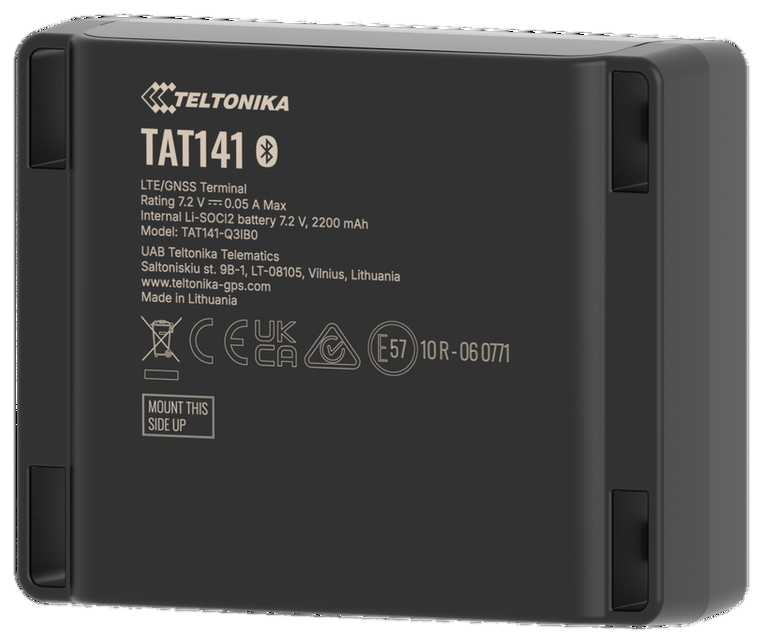
Teltonika TAT141 cellular tracker
+ 10-year IoT SIM
◆ Rugged NFC tag included
★ Our recommendation
Reports its own position over the 4G Cat M1 network, on its own schedule. Stores and forwards when out of range. The NFC tag handles every hands-on custody event. The only option that tells you where a cover is without anyone being there. Live position on the road, full custody history at every touch point, and an IP68 unit built to sit outdoors for years. A$252 A$191 tracker + A$61 SIM (10 yr, 500 MB) ~A$135–180Est. direct from manufacturer at volume. Subject to quote.
Option 2+NFC tag
Option 2 · Bluetooth tag + NFC
Custom low-energy tag on the
global smartphone network
◆ Rugged NFC tag included
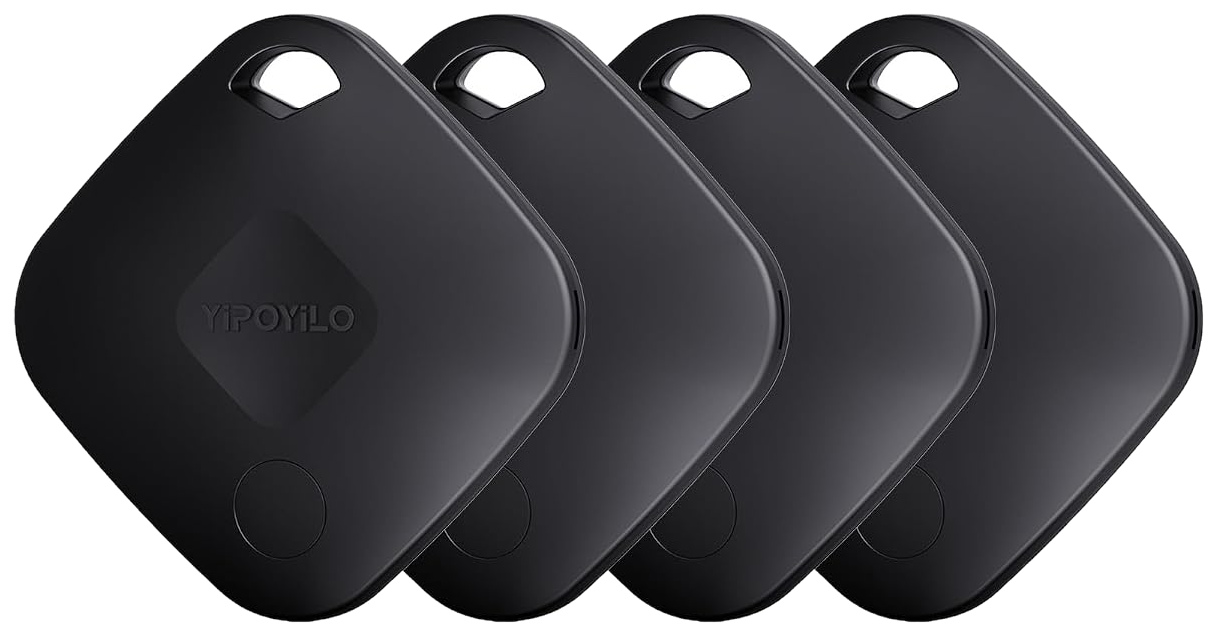
A coin-cell tag whose ID is relayed by passing smartphones, so sightings arrive without our app being installed. The smallest and lightest powered option, with years of battery life. Gives useful sighting density around towns and depots, and falls silent where there are no phones. ~A$10–15Comparison unit held for testing ~A$3–6Est. custom build at volume. Subject to quote.
Option 3+NFC tag
Option 3 · Bluetooth beacon + NFC
Feasycom FSC-BP104D
IP67, ~10-year battery
◆ Rugged NFC tag included
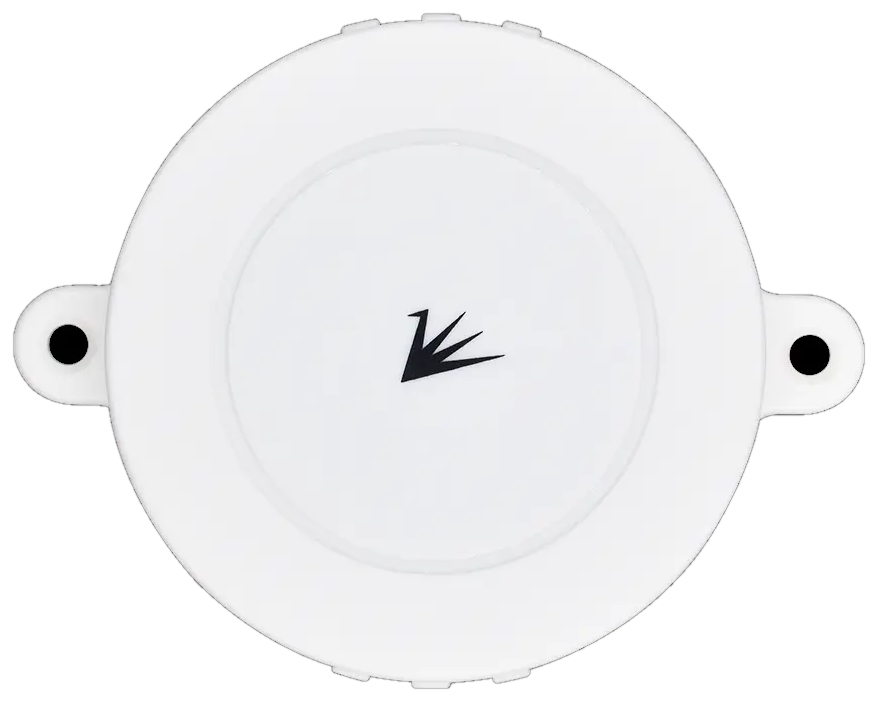
Repeats a sealed ID continuously. Logged whenever a phone running the app passes within range. Turns any site where staff already carry the app into a passive read point, with no fixed infrastructure to install. Confirms a cover reached a location rather than tracking it in transit. ~A$35Sealed, replaceable battery ~A$12–20Est. at volume. Subject to quote.
Option 4
Option 4 · NFC only
Industrial IP68 tag, rated to
230 °C for the welding line
◆ The rugged NFC tag itself
The last tap is the location, and every tap fires the workflow behind it. No battery, no signal, no subscription. The lowest-cost entry point, and the layer every other option is built on. Records events wherever a person touches the cover, but reports nothing on its own between those taps. ~A$5.50–7.00Industrial IP68 grade ~A$1.50–3.00Est. direct at volume. Subject to quote.
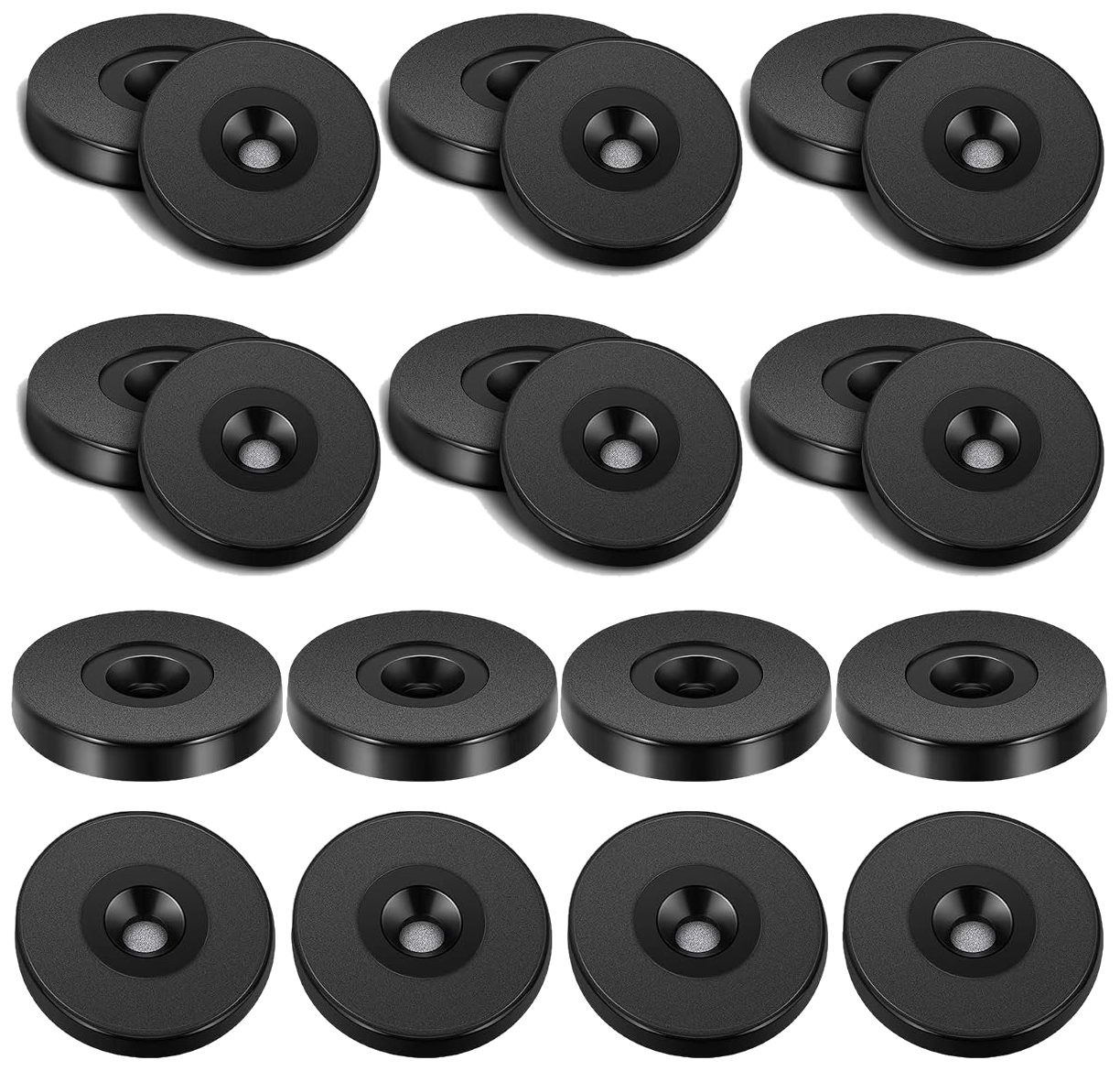
Rugged NFC tag

The rugged NFC tag goes into every cover, on every option. It records who handled a cover, when and where. The device on top of it decides how much you can see between those moments.

Costs marked are actual prices paid for the trial units. All other figures are indicative estimates for planning only and are subject to a manufacturer quote once volumes are known.

Our recommendation

Option 1: a GPS tracker on every cover, with the NFC tag underneath it.

Teltonika TAT141 GPS tracker + Rugged NFC tag
GPS trackerTeltonika TAT141 · IP68Rugged NFC tagIP68 · rated to 230 °C
Both sit in the same welded pouch on the cover.
CBHWhat CBH gets

Where every cover isOn the road, on a site, or in storage, without anyone going to look.

Time on stack, per coverAnd how many covers sit at each site.

Age and service dueKnow which covers need work before they fail on a stack.

JaylonWhat Jaylon gets

A live stock countEvery cover made, in stock and dispatched, as it happens.

Paperwork done for themConsignment notes and customer updates, generated from the taps.

Evidence in a disputeA photographed, timestamped record of every handover.

Reports on its own. No tap, no app, nobody nearby.
Works out of range. Holds its trail and sends it when back in coverage.
NFC underneath. GPS answers where; the tag answers who. At recycling the tracker comes out for reuse and the tag shreds with the cover.
The trial

All four options, in the same pouch, on the same cover, reporting into the same software.

What goes in the pouch

GPS trackerCellular GPS tracker
Reporting on its own schedule over 4G
Bluetooth tagBluetooth tag
Relayed by passing smartphones
Bluetooth beaconBluetooth beacon
Read by our app when someone walks past
NFC tagRugged NFC tag
Tapped by hand at each touch point

Run side by side on the same journey, so the differences are measured rather than argued.

Accuracy

How close each device puts the cover to where it actually is, in a yard, on a highway and in a paddock.

Reliability

How often each one reports when it should, how long the gaps are, and what happens out of coverage.

Endurance

Real battery behaviour over the trial, at the reporting rate we actually want.

Survival

Whether the welded pouch blocks the signal, and whether each device still reads after rolling, dragging, sun and hosing.

What we aim to prove

That one option gives CBH a clear enough picture, reliably enough, to run a real grain cover fleet on. The choice is then made on evidence rather than a spec sheet.

Teltonika TAT141
Option 1 · Our recommendation

GPS tracker with SIM, plus NFC

Teltonika TAT141 · 4G LTE Cat M1 · IP68 · 10-year IoT SIM

Benefits

  • Answers "where is it" with nobody present. The only option that does.
  • Stores and forwards. Out of coverage it holds the trail and sends it when back in range.
  • IP68 and sealed, rated for dust and submersion, built for outdoor asset use.
  • Open data. Reports straight to a server we control, so the data isn't locked in a vendor's app.
  • Configurable reporting, with interval, movement trigger and geofence all set remotely.

Costs

Tracker (TAT141)A$191
SIM, 500 MB / 10 yrA$61
Pilot unit totalA$252
Est. at volume~A$135–180

Pilot prices actually paid. Volume figure is an estimate pending a manufacturer quote.

Considerations

  • Unit cost at volume is the number that matters most across a whole fleet.
  • Battery is finite. Long life, but it is a consumable that eventually ends.
  • Needs Cat M1 coverage. Good across the WA grain belt on Telstra, but it is a dependency.
  • The highest hardware cost of the four. It buys continuous visibility.
  • Recycling. The tracker is too big to shred, so it comes out at retirement and goes onto the next cover. The small NFC tag can go through the shredder with the cover.
Bluetooth tag
Option 2 · Smallest powered device

Bluetooth tag, plus NFC

Custom low-energy tag riding the global smartphone network

Benefits

  • Cheapest powered option by a wide margin, and the smallest to weld in.
  • Years of battery from a coin cell, because it only broadcasts.
  • No infrastructure at all. Sightings are relayed by whatever phones happen to pass.
  • Useful density in town. Depots, weighbridges and freight yards all generate passive sightings.

Costs

Consumer unit (control test)~A$10–15
Custom tag, pilot run~A$10–20
Est. at volume~A$3–6

Consumer tags are held for comparison only. Production cost assumes a custom board and is an estimate pending quote.

Considerations

  • Off-the-shelf tags cannot be used. Consumer trackers are encrypted end to end and expose no position to our software.
  • A custom tag on the crowd network sits in a grey area on the platform's terms. Prove-it-only until that is resolved.
  • Silent where there are no phones. On a remote paddock it reports nothing.
  • Anti-stalking alerts can surface on nearby handsets and need handling before any field use.
Feasycom beacon
Option 3 · Presence, not position

Bluetooth beacon, plus NFC

Feasycom FSC-BP104D · IP67 · ~10-year battery · iBeacon and Eddystone

Benefits

  • Open standard. Broadcasts an ID any app can read, ours included.
  • Very long life, around ten years, with a replaceable battery.
  • Sealed to IP67 and built for outdoor industrial use.
  • Turns your own sites into read points using the phones staff already carry.

Costs

Beacon, single unit~A$35
Batteries~A$5
Est. at volume~A$12–20

In hand and under test. Volume figure is an estimate pending quote.

Considerations

  • Requires our app to be running nearby. No app in range means no record.
  • Proves presence, not position. It tells you a cover reached a site, not where it is on the road.
  • Bulkier than Option 2, which matters for welding into a pouch.
  • Adoption is the dependency. The value appears once enough people carry the app.
Rugged NFC tag
Option 4 · The base layer

Rugged NFC tag on its own

Industrial IP68, rated to 230 °C · NTAG213 · welded into the cover

Benefits

  • No battery, ever. It reads after months in a shed and years in the field.
  • No subscription and no per-cover running cost.
  • Any modern phone reads it with no app installed. A tap opens the page and the workflow fires.
  • Rated to 230 °C, so it survives the welding line.
  • Every tap is a full custody event: who, when and where, with photos and a signature.

Costs

Industrial IP68, 230 °C~A$5.50–7.00
Standard anti-metal~A$1.25
Reader hardwareA$0
Est. at volume~A$1.50–3.00

The reader is the phone already in the person's pocket.

Considerations

  • Reads at 2 to 4 cm. Someone has to touch the cover, so it records events rather than positions.
  • Not a stocktake tool on its own. Counting hundreds of rolled covers by tapping each one is slow.
  • The welded pouch is the open question. Survival through welding, rolling and dragging is what the trial measures.
  • No unprompted position. If nobody taps, nothing is recorded.
Where this goes

A pilot on real covers, on your sites, shaped around what CBH needs to see.

01

Tag survival

A welded sample rolled, dragged, sun-baked and hosed, then re-read. The one question software can't answer.

02

Out of Jaylon

Covers made, rolled and dispatched with a tap, replacing the paper forms.

03

On your sites

CBH staff tap covers on and off stack, so the clocks start and stop on their own.

04

Your view

Covers per site, time on stack, age and service due, in a portal or fed into your systems.

Our commitment

This is new software, and building it is a new challenge for us too. Jaylon and Mycelium are committed to building it with CBH, so you get real visibility of your covers: where they are, how old they are, and when they need attention.

What we'd ask of CBH

Which statuses matter to you, how covers are received and stacked today, how you'd like the data shared, and which sites would suit a pilot. That shapes version one more than anything on our side.

Concept stage. Software features shown are proposed and subject to the build. Hardware costs are pilot prices actually paid, or clearly marked estimates subject to manufacturer quote.

01 / 15